Tissue Repair
Researchers study repair biology because the body manages small amounts of wear and stress every day.
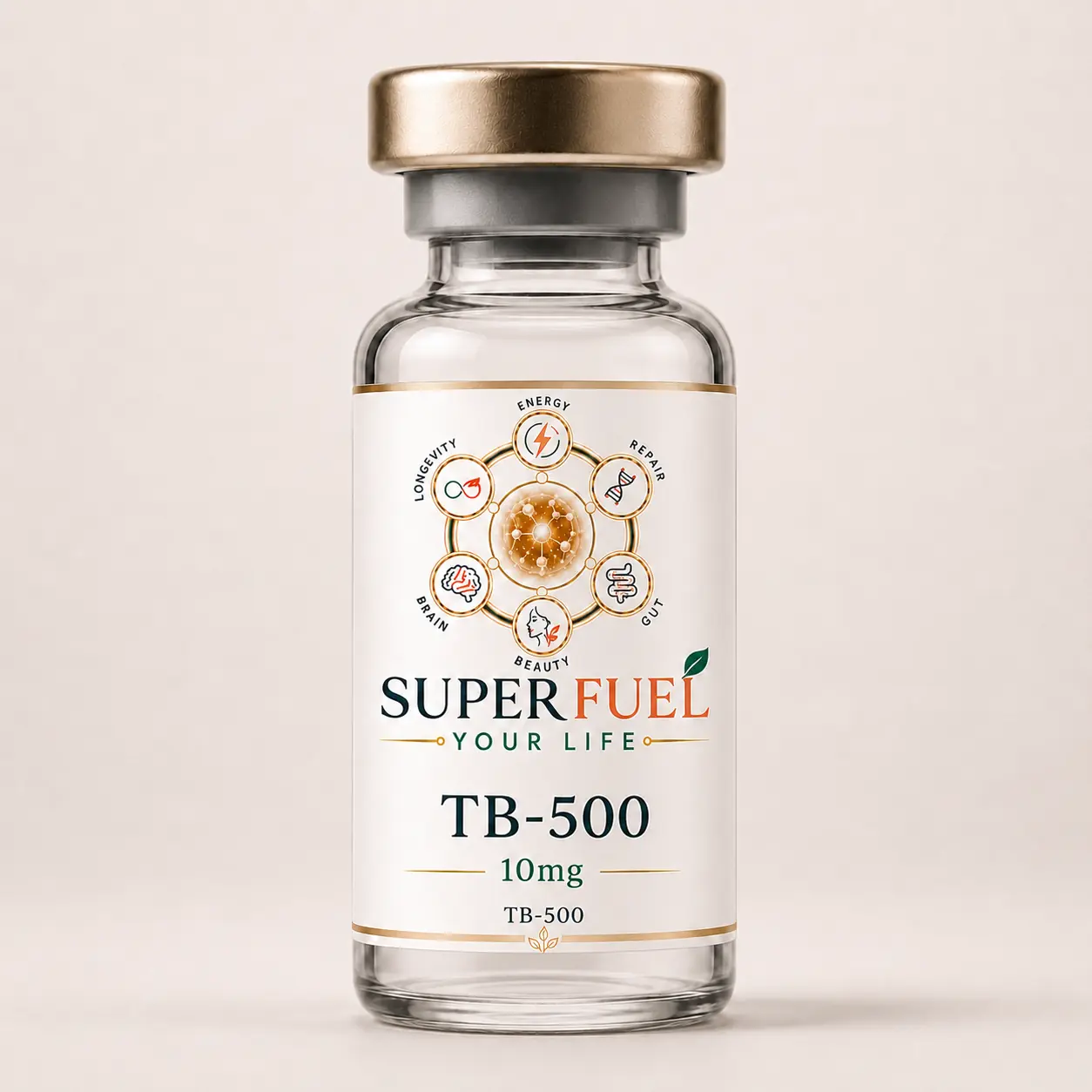
Recovery
10 mg
A synthetic peptide related to thymosin beta 4 research involving cell movement, tissue response, and repair biology.
When movement feels limited or recovery takes longer, it’s natural to become curious about how damaged tissue organizes the rebuilding process.
WHY PEOPLE CARE
Hard workouts, physical jobs, long days, and small setbacks can feel like they take more out of the body over time. Recovery research matters because movement gives people access to walking, working, traveling, playing, and feeling capable.
WHAT IS IT?
TB 500 is a synthetic peptide related to a naturally occurring protein called thymosin beta 4. The wider thymosin beta 4 research story is much larger than the published research on TB 500 itself.
Researchers study repair biology because the body manages small amounts of wear and stress every day.
Cell movement and tissue organization matter because moving well helps people stay connected to life.
Muscles, tendons, and supporting tissues make everyday movement and physical work possible.
Recovery research isn’t only about exercise. It’s about understanding how the body responds after stress.
WHY RESEARCHERS ARE INTERESTED
TB 500 research is related to thymosin beta 4, a naturally occurring protein involved in cell movement and actin. Actin helps cells maintain structure and move, both of which matter during tissue repair.
WHAT THIS COULD MEAN IN EVERYDAY LIFE
People want to keep moving. They want to train, walk, travel, work, garden, and play with the people they love. Researchers study repair biology because better understanding may one day lead to better support. That doesn’t mean TB 500 has been proven to provide these outcomes.
THE SIMPLE SCIENCE
When tissue is stressed, cells need to move, signals need to be sent, blood supply matters, and new tissue may need to form. Thymosin beta 4 research looks at several of these steps. TB 500 is related to that story, but the findings are not automatically interchangeable.
WHAT RESEARCHERS ARE STUDYING
These are areas of scientific interest. They are not promises of a personal result.
How cells travel and organize during tissue response.
Laboratory and animal questions involving repair and new tissue.
How blood supply and vessel formation take part in repair biology.
Preclinical work involving muscles and supporting tissues.
How the body coordinates inflammation and the repair environment.
HONEST EVIDENCE CONTEXT
Thymosin beta 4 is naturally found in the body and has been studied across cell movement, wound biology, blood vessel signaling, muscle, and tissue repair. Much of this evidence comes from laboratory and animal models.
Researchers do not know whether TB 500 produces the same effects associated with broader thymosin beta 4 research. Human effectiveness, long term safety, meaningful clinical benefit, and an established safe use have not been shown.
This page explains current research interest. It does not provide medical advice, treatment guidance, dosing, administration instructions, or a recommendation for personal use.
KEEP EXPLORING
Explore nearby research areas, or return to the full peptide education collection.
EXPLORE TOGETHER
These thoughtful groupings bring related questions into one view. They don’t imply a treatment plan or promise a combined outcome.
EXPLORE TOGETHER
Support recovery from more than one angle.
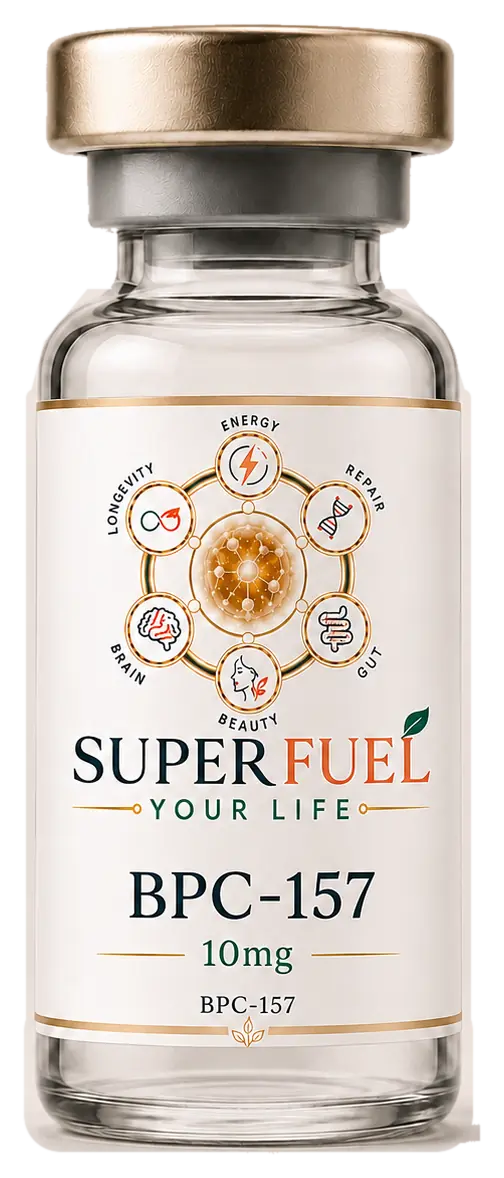
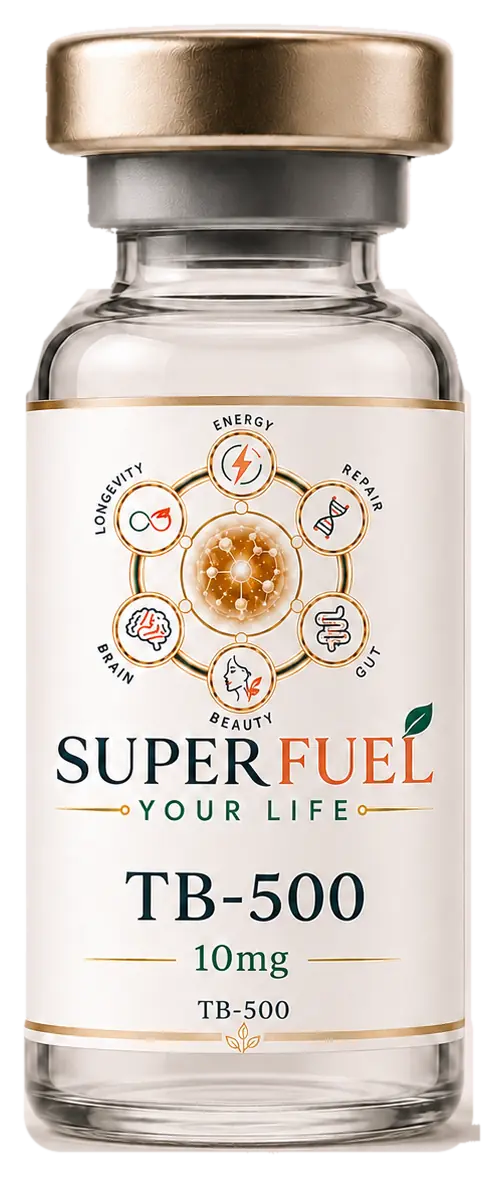
BPC 157 10 mg + TB 500 10 mg
BPC 157 and TB 500 attract research interest in overlapping but different areas of recovery biology. They are grouped together because both sit inside the bigger conversation around how the body responds after physical stress. That matters because recovery is also about staying able to move, work, train, travel, play, and keep doing normal life.
EXPLORE TOGETHER
Explore a fuller approach to recovery and repair.
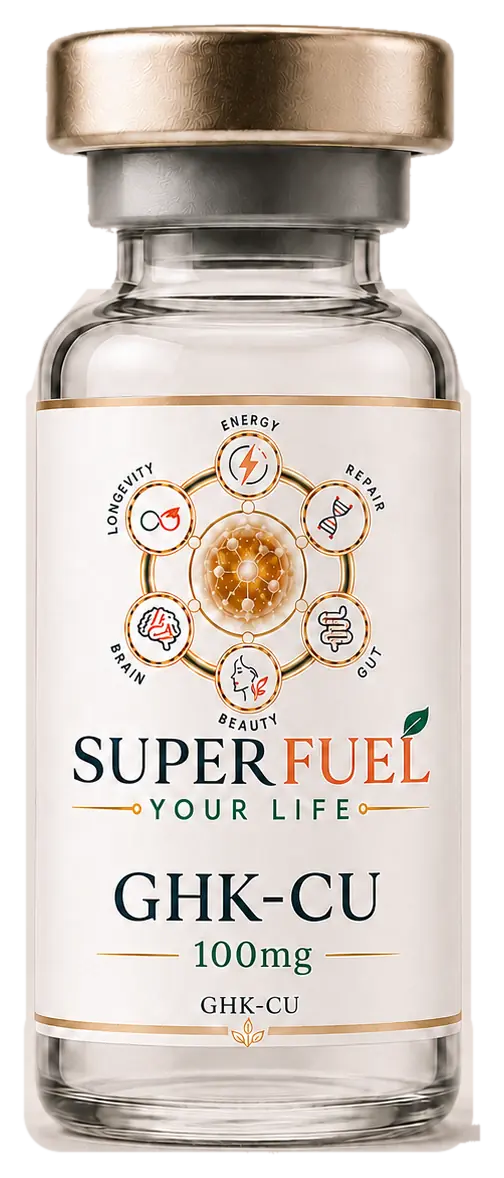
BPC 157 10 mg + TB 500 10 mg + GHK-CU 100 mg
Recovery isn’t one process. Different tissues use different signals. Cell movement, blood supply, structural tissue, and inflammatory signaling all matter in repair biology. BPC 157, TB 500, and GHK CU are grouped because their research areas touch several parts of that larger recovery conversation.
EXPLORE TOGETHER
Explore recovery, repair, and renewal together.
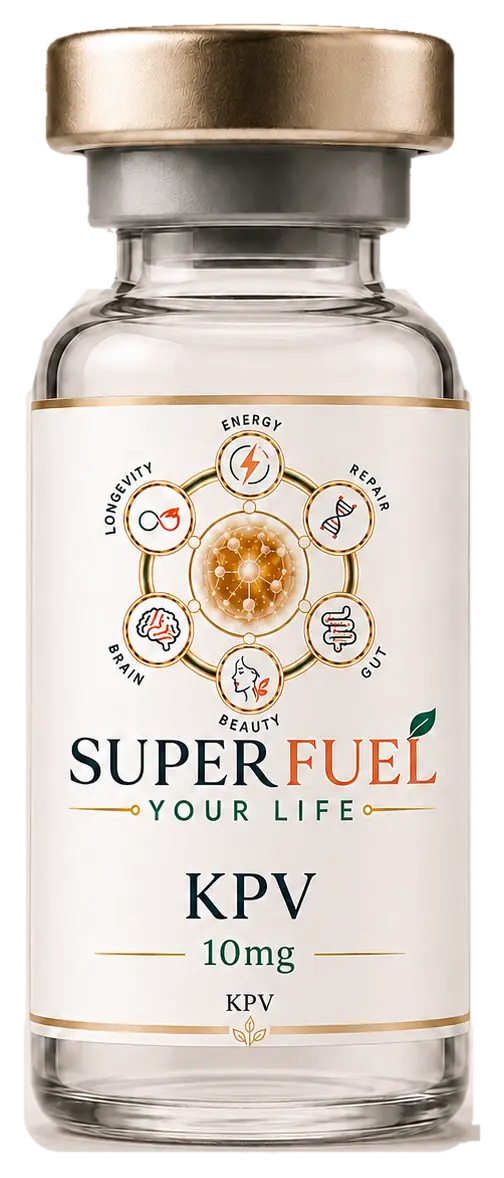
BPC 157 10 mg + TB 500 10 mg + KPV 10 mg + GHK-CU 100 mg
The body doesn’t recover through one pathway. Inflammatory signals, cell communication, tissue structure, blood supply, and different responses to stress all matter. BPC 157, TB 500, KPV, and GHK CU are grouped because their research areas touch several parts of that broader repair and renewal conversation.
READY TO CONNECT?
Show Robin that this peptide caught your attention, then connect privately to ask questions and talk through possible next steps.
KEEP LEARNING
Use the Peptide Guide for a clear visual reference, or visit Learn for simple lessons.