Skin + Collagen
Researchers study skin structure because collagen and its supporting network shape strength and appearance.
Skin + Beauty
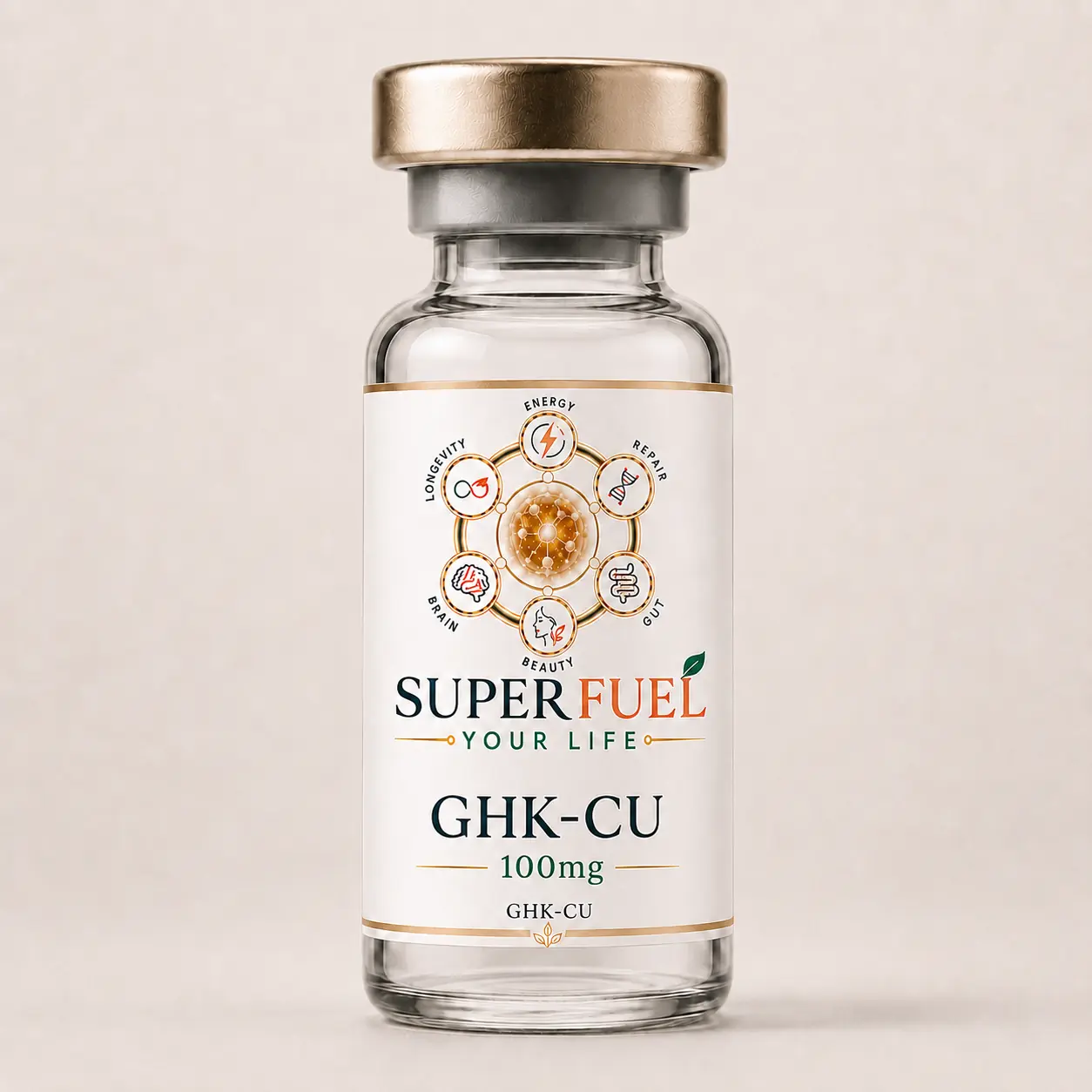
100 mg
A naturally occurring copper binding peptide studied across skin, collagen, tissue repair, hair, and aging biology.
Changes in skin texture, firmness, hair, or recovery can feel surprisingly personal. You may still feel vibrant inside while noticing that the mirror is telling a different story.
WHY THIS RESEARCH FEELS RELEVANT
Skin changes. Hair changes. Recovery can feel different. Healthy aging isn’t about trying to stay young forever. It’s about understanding how the body may stay capable and resilient as the years go by.
WHAT IS IT?
GHK CU is a naturally occurring copper binding peptide found in the body. GHK is a tiny chain of three amino acids. When it binds with copper, it forms GHK CU.
Researchers study skin structure because collagen and its supporting network shape strength and appearance.
Repair is one of the body's everyday jobs, happening even when people can’t see it.
Hair and follicle biology matter because hair changes are one visible part of aging.
Researchers ask how cells and tissues may stay resilient as the body gets older.
WHY RESEARCHERS ARE INTERESTED
GHK CU is a copper binding peptide found naturally in the body. Researchers are interested in its relationship with collagen, the structural protein that helps support skin and connective tissue, as well as tissue remodelling and repair signals.
WHAT THIS COULD MEAN IN EVERYDAY LIFE
Skin, hair, repair, and stress response can each change in different ways. Researchers are interested in GHK CU because it appears across several research areas connected with repair and aging. That broad interest doesn’t mean every proposed benefit has been proven in people.
THE SIMPLE SCIENCE
GHK is a tiny chain of three amino acids that naturally binds to copper. Copper is used in many important processes. Together, the GHK CU complex can interact with signals involved in tissue biology. Think of it as a small biological messenger researchers are still working to understand.
WHAT RESEARCHERS ARE STUDYING
These are areas of scientific interest. They are not promises of a personal result.
Laboratory, topical, and other research involving skin structure and the extracellular matrix.
How cells organize collagen and other parts of supporting tissue.
Research involving repair signals, blood vessels, and tissue response.
Early work involving hair follicle cells and growth biology.
Questions involving oxidative stress, inflammation, gene expression, and healthy aging.
HONEST EVIDENCE CONTEXT
GHK naturally exists in the human body and binds copper to form GHK CU. Laboratory, animal, topical, and some human research has explored skin biology, collagen, tissue repair, and related cellular pathways. Topical cosmetic research is the more direct evidence for skin use.
Not every laboratory finding has been shown to create a meaningful result in people. Findings from topical studies do not prove outcomes from other methods. Long term results and the clinical importance of many proposed uses remain uncertain.
This page explains current research interest. It does not provide medical advice, treatment guidance, dosing, administration instructions, or a recommendation for personal use.
KEEP EXPLORING
Explore nearby research areas, or return to the full peptide education collection.
EXPLORE TOGETHER
These thoughtful groupings bring related questions into one view. They don’t imply a treatment plan or promise a combined outcome.
EXPLORE TOGETHER
Explore beauty, repair, and healthy aging from within.
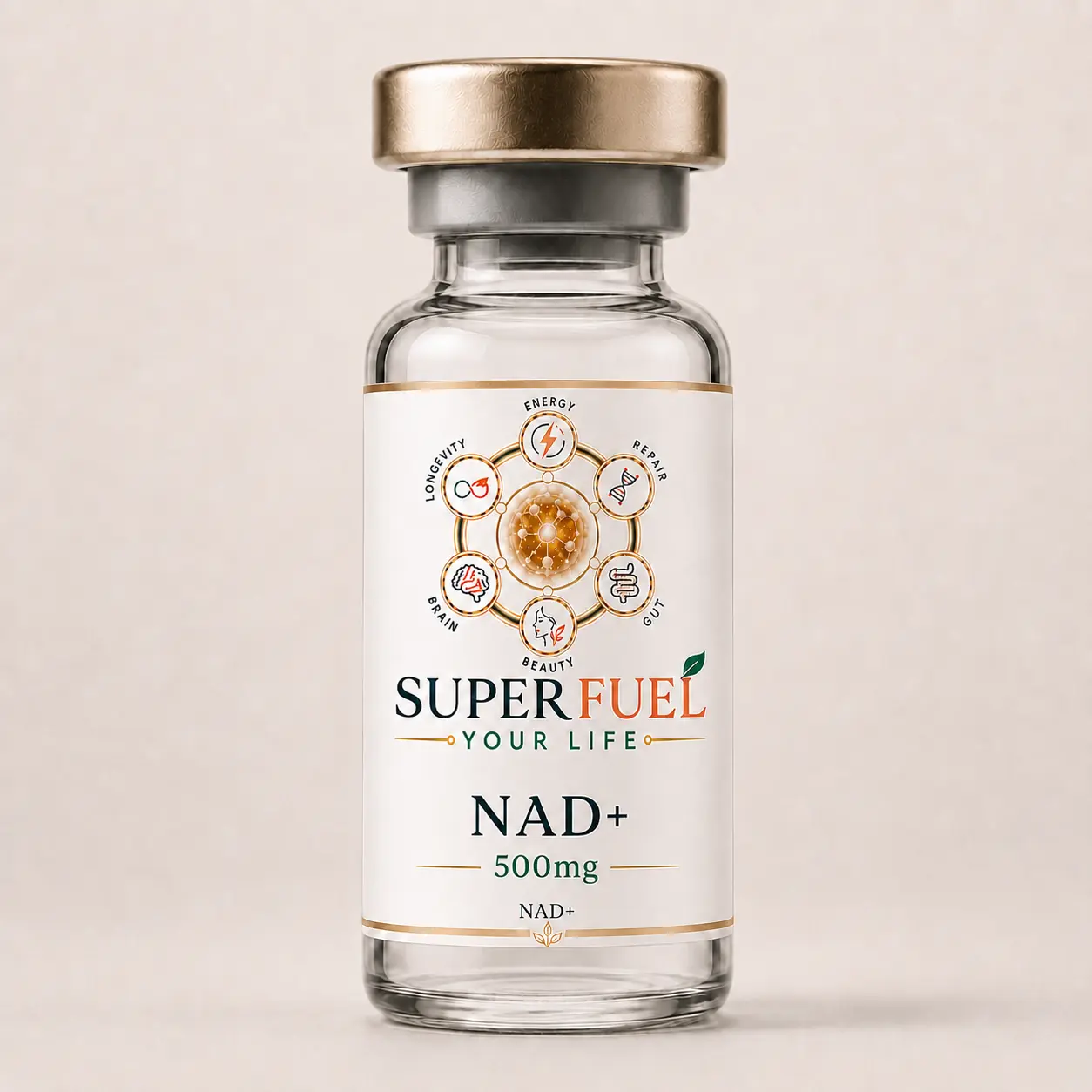
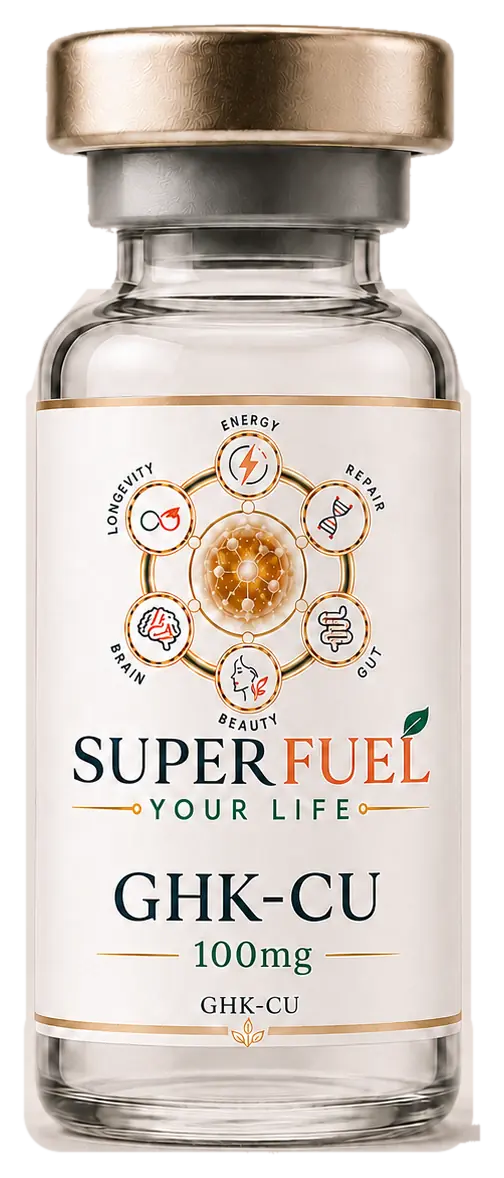
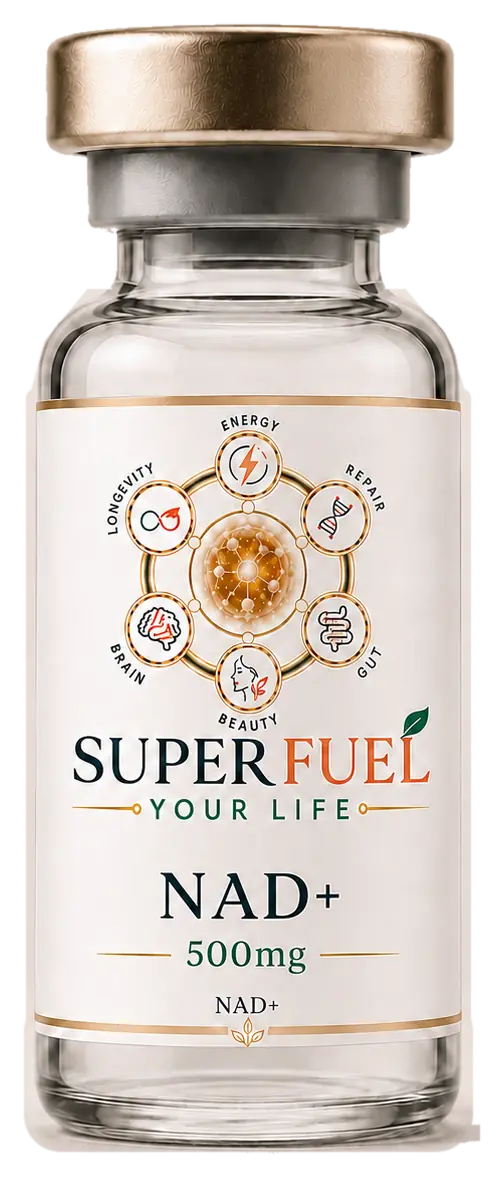
GHK-CU 100 mg + NAD+ 500 mg
GHK CU and NAD+ sit in different research areas, but both connect to the broader biology of repair, cellular function, and aging. People often think of beauty as something happening only at the surface. These products are grouped together because research into skin, hair, repair, and aging also asks what is happening inside cells.
EXPLORE TOGETHER
When your body feels like it needs a little more calm.
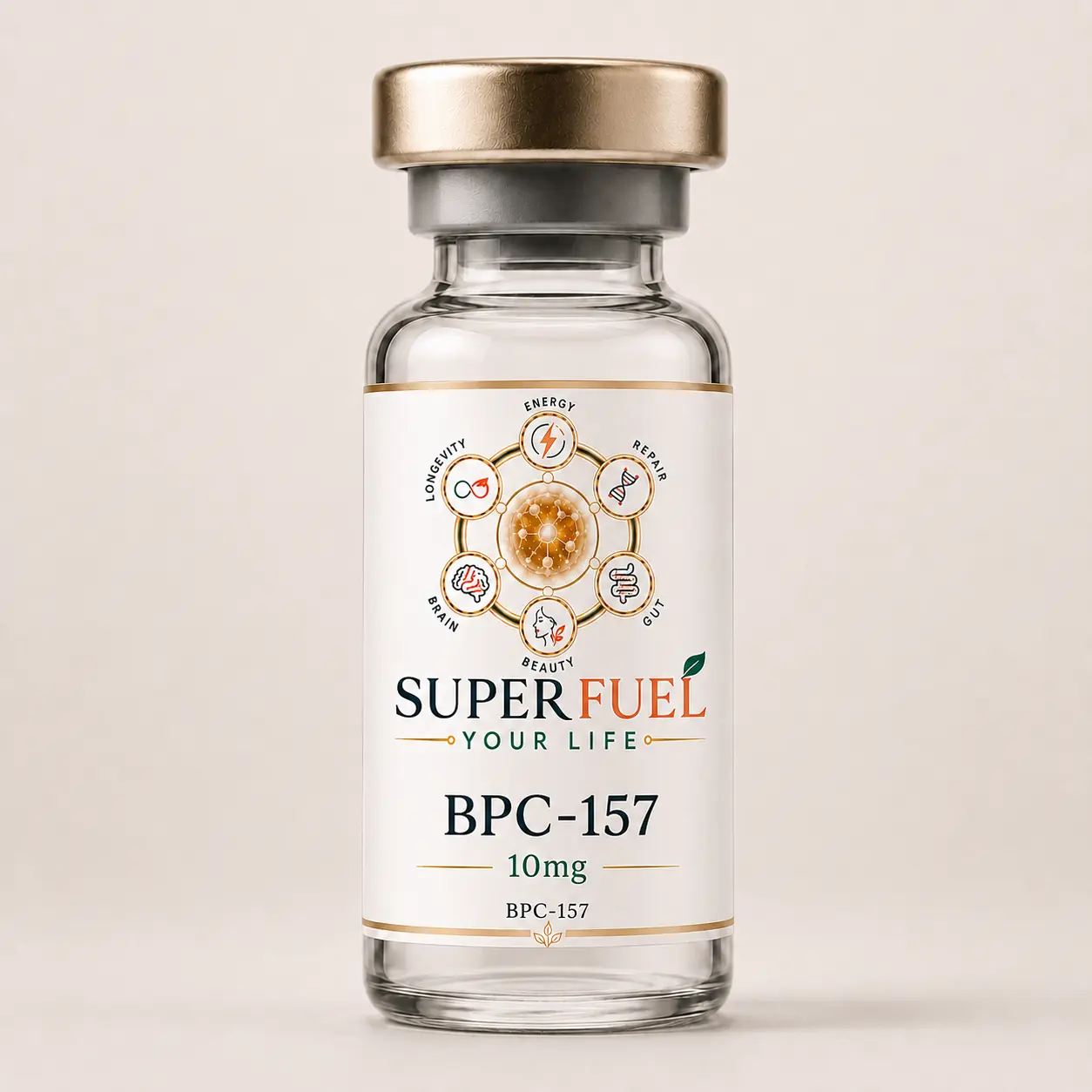
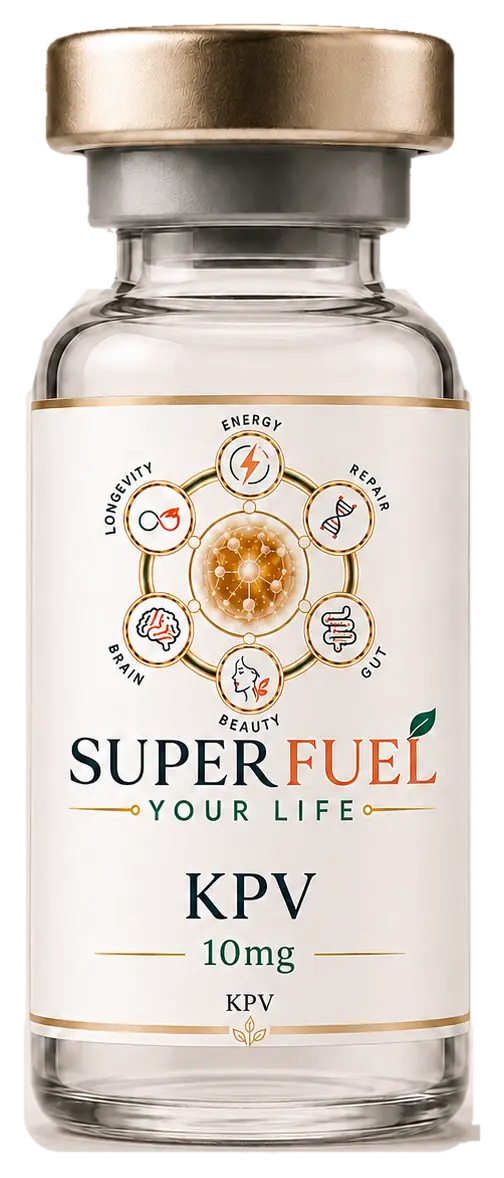
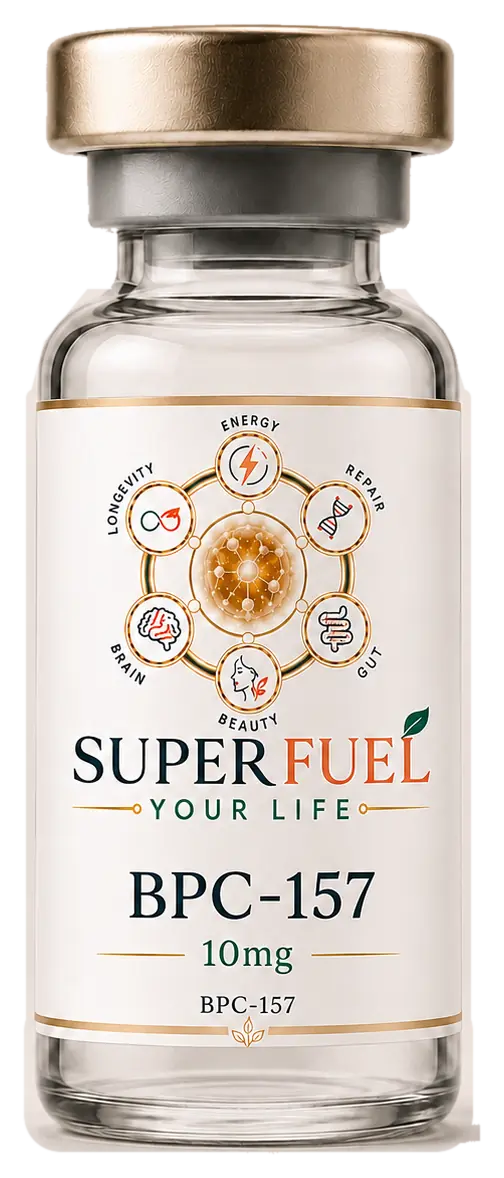
KPV 10 mg + BPC 157 10 mg + GHK-CU 100 mg
KPV, BPC 157, and GHK CU sit in different but overlapping research areas involving the gut, inflammatory signaling, tissue repair, and recovery biology. They are grouped together because the gut, tissue stress, inflammatory signals, and repair are not always separate research conversations. Researchers are interested in how these systems communicate with each other.
EXPLORE TOGETHER
Explore a fuller approach to recovery and repair.
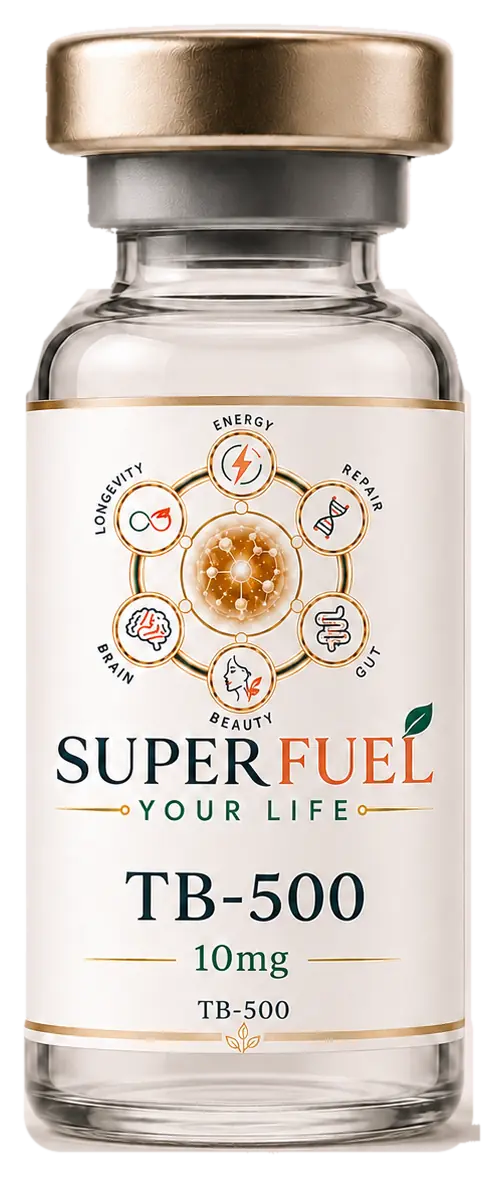
BPC 157 10 mg + TB 500 10 mg + GHK-CU 100 mg
Recovery isn’t one process. Different tissues use different signals. Cell movement, blood supply, structural tissue, and inflammatory signaling all matter in repair biology. BPC 157, TB 500, and GHK CU are grouped because their research areas touch several parts of that larger recovery conversation.
EXPLORE TOGETHER
Support beauty from both sides.
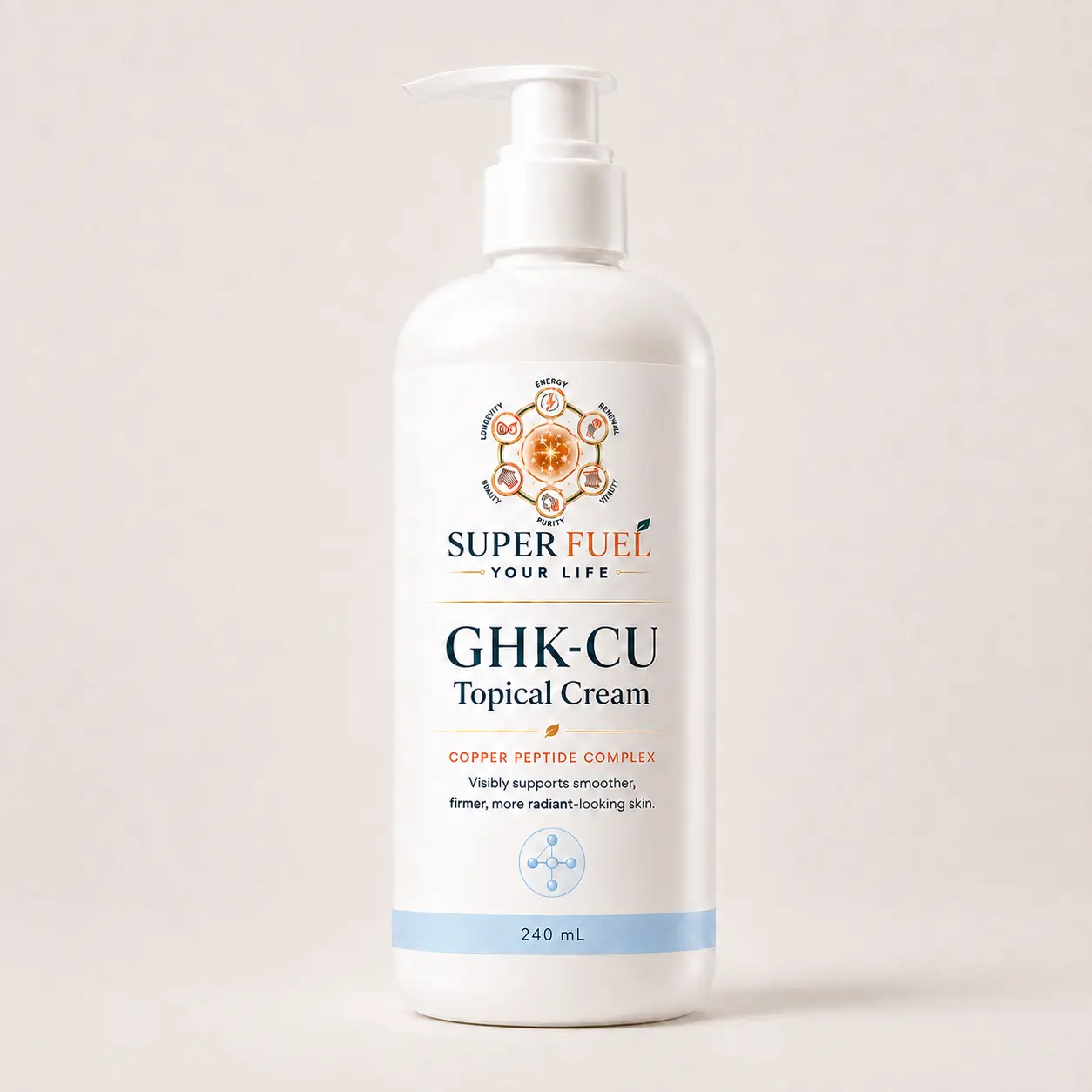
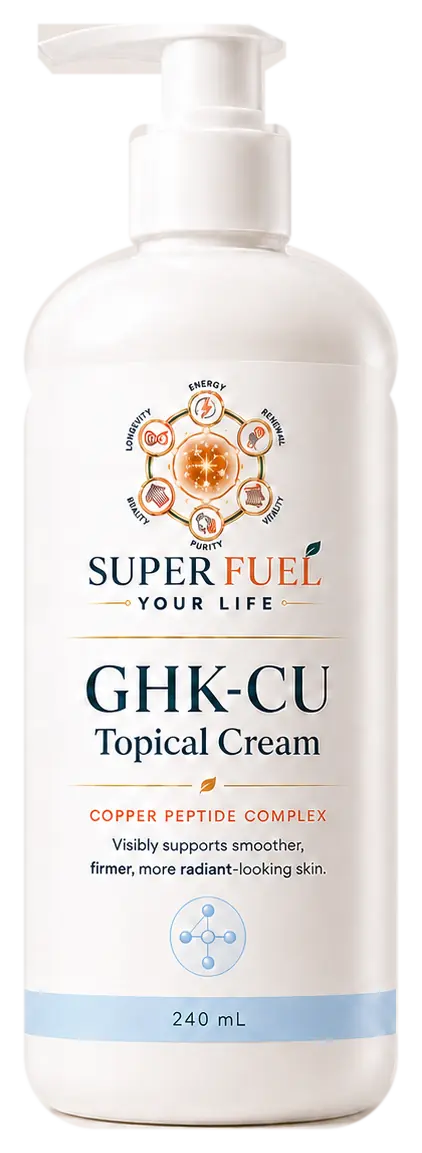
GHK-CU 100 mg + GHK CU Topical Cream 240 mL + NAD+ 500 mg
Skin is living tissue. Cells need energy, hydration matters, repair matters, and the structures supporting skin matter. GHK CU, GHK CU Topical Cream, and NAD+ are grouped because their research areas touch different parts of that larger beauty and healthy aging conversation.
EXPLORE TOGETHER
Explore recovery, repair, and renewal together.
BPC 157 10 mg + TB 500 10 mg + KPV 10 mg + GHK-CU 100 mg
The body doesn’t recover through one pathway. Inflammatory signals, cell communication, tissue structure, blood supply, and different responses to stress all matter. BPC 157, TB 500, KPV, and GHK CU are grouped because their research areas touch several parts of that broader repair and renewal conversation.
READY TO CONNECT?
Show Robin that this peptide caught your attention, then connect privately to ask questions and talk through possible next steps.
KEEP LEARNING
Use the Peptide Guide for a clear visual reference, or visit Learn for simple lessons.