Gut
Researchers have explored stomach and intestinal tissue because gut comfort can shape the ease of everyday life.
Tissue Repair
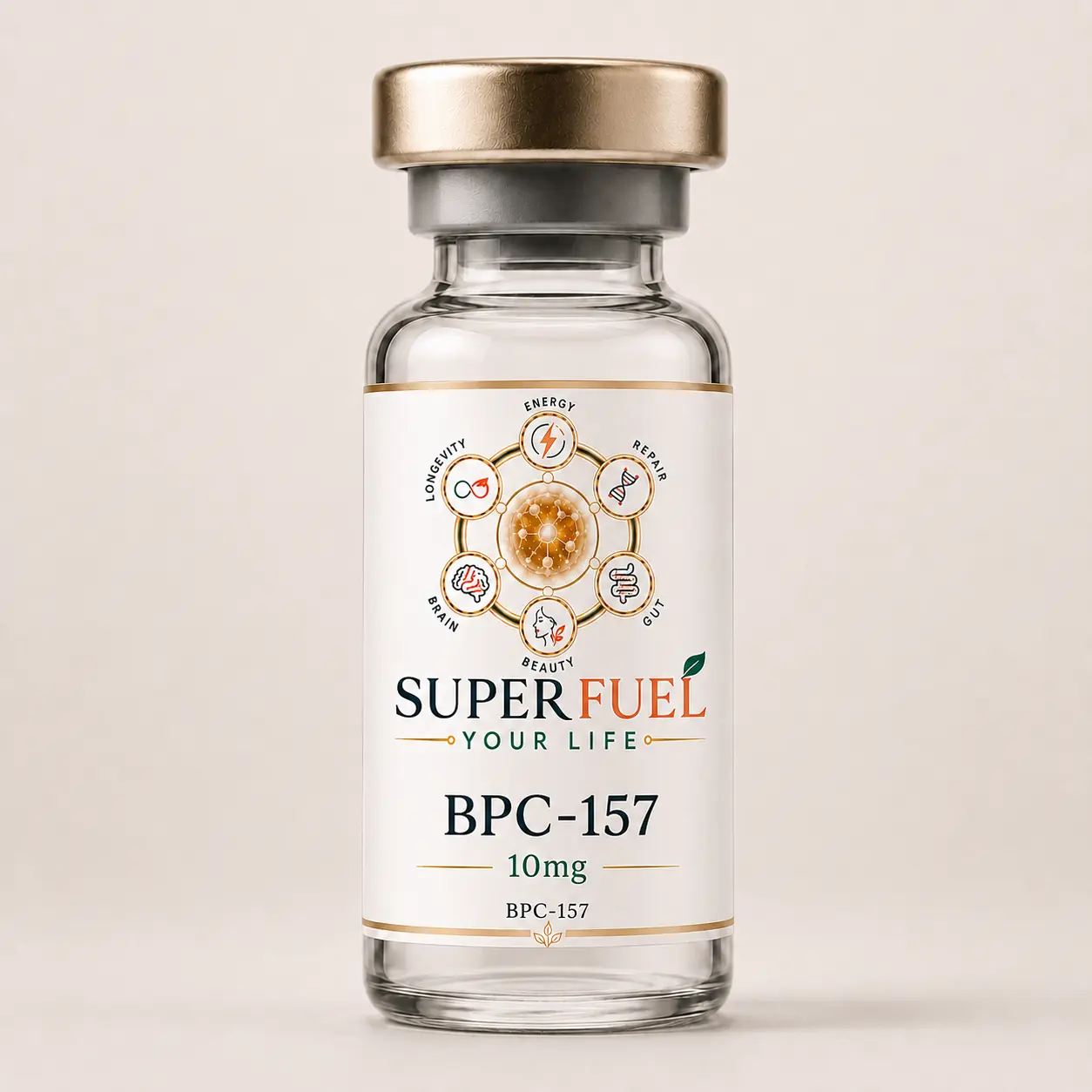
10 mg
An investigational peptide studied mainly in laboratory and animal models involving tissue response, connective tissue, and the gut.
Recovery becomes frustrating when soreness lingers, an old area keeps demanding attention, or your body simply doesn’t bounce back on your preferred timeline. Digestive discomfort can create a similar feeling of being held back.
WHY PEOPLE CARE
Sometimes the frustrating part isn’t the hard workout or physical setback itself. It’s feeling like recovery asks more of you than it once did. That’s why researchers study the signals involved in repair, movement, and digestive tissue.
WHAT IS IT?
BPC 157 is a synthetic peptide based on a short sequence linked with a protective compound found in the stomach. Most research has used laboratory and animal models.
Researchers have explored stomach and intestinal tissue because gut comfort can shape the ease of everyday life.
These tissues help people move, work, train, and stay active, which makes their repair biology important.
Researchers study repair signals because recovery is really about getting back to the life you enjoy.
Research asks how the body manages tissue stress and organizes the rebuilding process.
WHY RESEARCHERS ARE INTERESTED
Interest in BPC 157 comes largely from experimental research involving tissue response, blood vessel signalling, inflammatory pathways, and protective activity in the digestive system.
WHAT THIS COULD MEAN IN EVERYDAY LIFE
People care about recovery because it affects whether they can keep moving, training, working, playing, and handling normal life. Researchers are trying to understand the pathways studied with BPC 157, but that doesn’t mean this peptide has been proven to improve recovery in people.
THE SIMPLE SCIENCE
When tissue is stressed or damaged, the body sends signals that help manage inflammation, blood flow, and repair. BPC 157 research asks whether this peptide may influence some of those signals. Most of what researchers know so far comes from cells and animals.
WHAT RESEARCHERS ARE STUDYING
These are areas of scientific interest. They are not promises of a personal result.
Models involving the stomach, intestinal lining, and protective tissue responses.
Preclinical questions involving connective tissue and repair signaling.
Animal and laboratory models involving injury, wounds, and rebuilding.
How circulation and new blood vessel signals may take part in tissue repair.
How the body coordinates stress, inflammation, and the repair environment.
HONEST EVIDENCE CONTEXT
BPC 157 has been studied extensively in laboratory and animal models. Preclinical research has explored digestive tissue, connective tissue, repair signaling, blood vessel activity, and inflammatory pathways.
It is not clear whether the effects seen in animals translate reliably to people. Effective and safe human use, long term safety, and meaningful clinical benefits have not been established. Human evidence remains very limited.
This page explains current research interest. It does not provide medical advice, treatment guidance, dosing, administration instructions, or a recommendation for personal use.
KEEP EXPLORING
Explore nearby research areas, or return to the full peptide education collection.
EXPLORE TOGETHER
These thoughtful groupings bring related questions into one view. They don’t imply a treatment plan or promise a combined outcome.
EXPLORE TOGETHER
Support recovery from more than one angle.
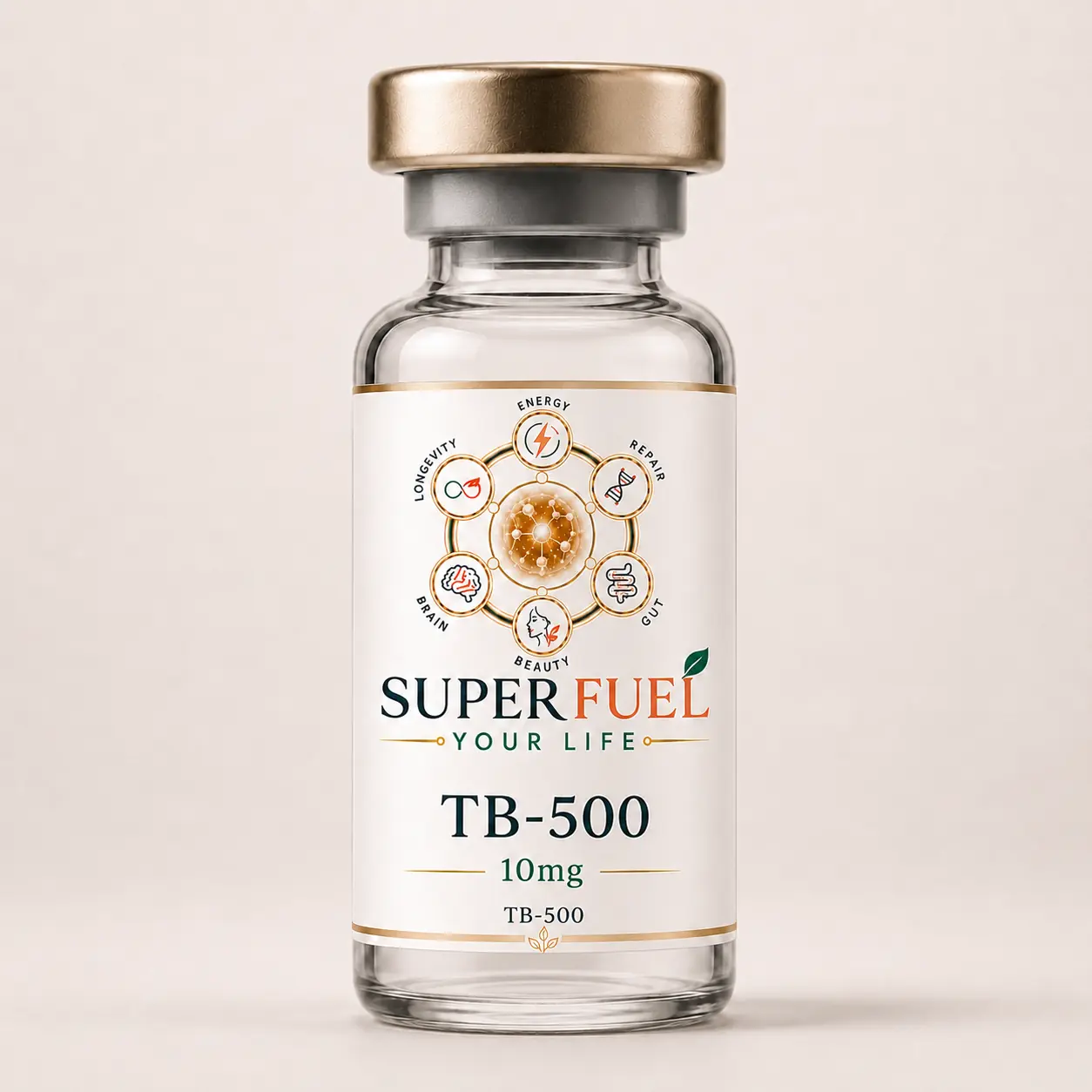
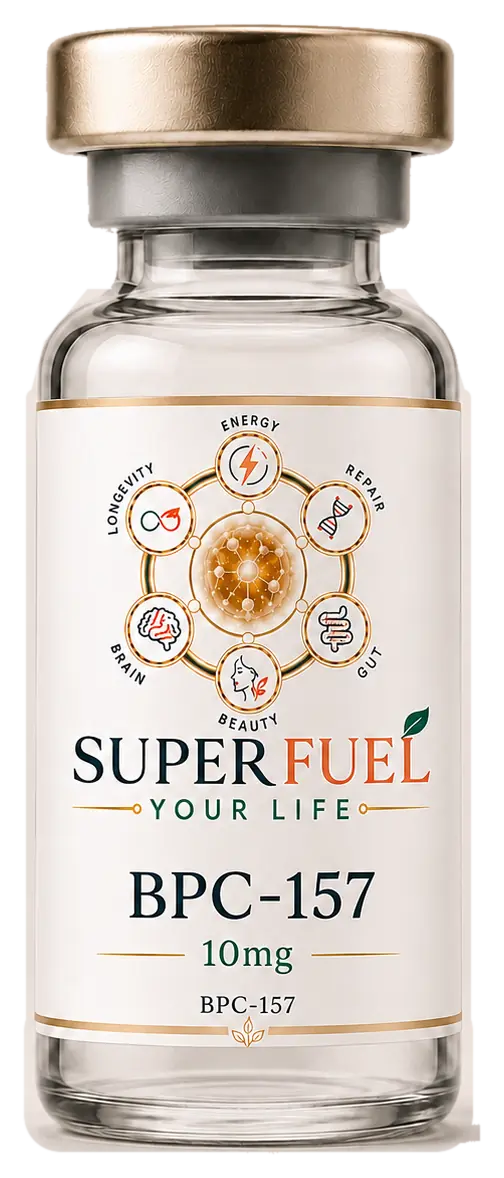
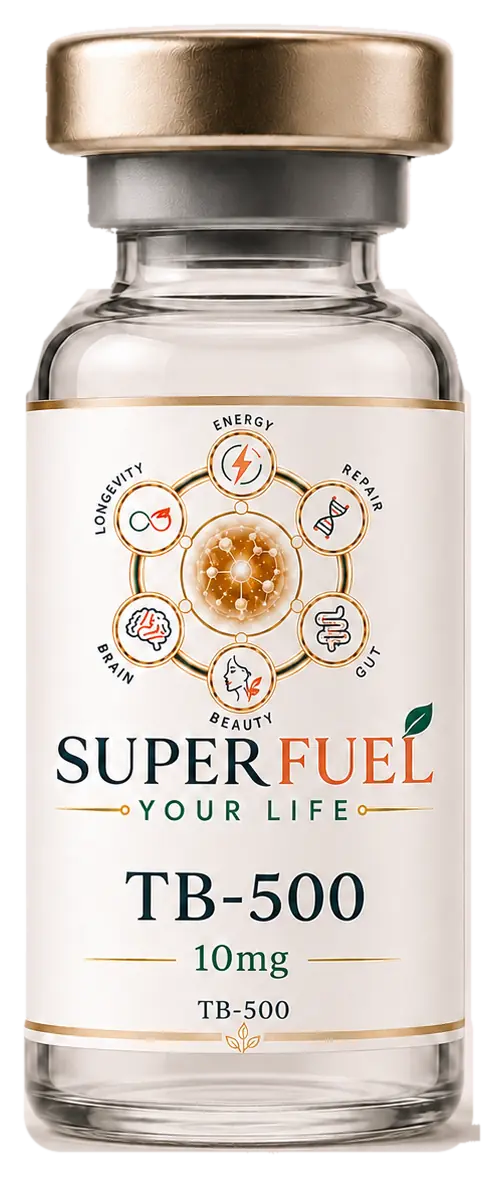
BPC 157 10 mg + TB 500 10 mg
BPC 157 and TB 500 attract research interest in overlapping but different areas of recovery biology. They are grouped together because both sit inside the bigger conversation around how the body responds after physical stress. That matters because recovery is also about staying able to move, work, train, travel, play, and keep doing normal life.
EXPLORE TOGETHER
When your body feels like it needs a little more calm.
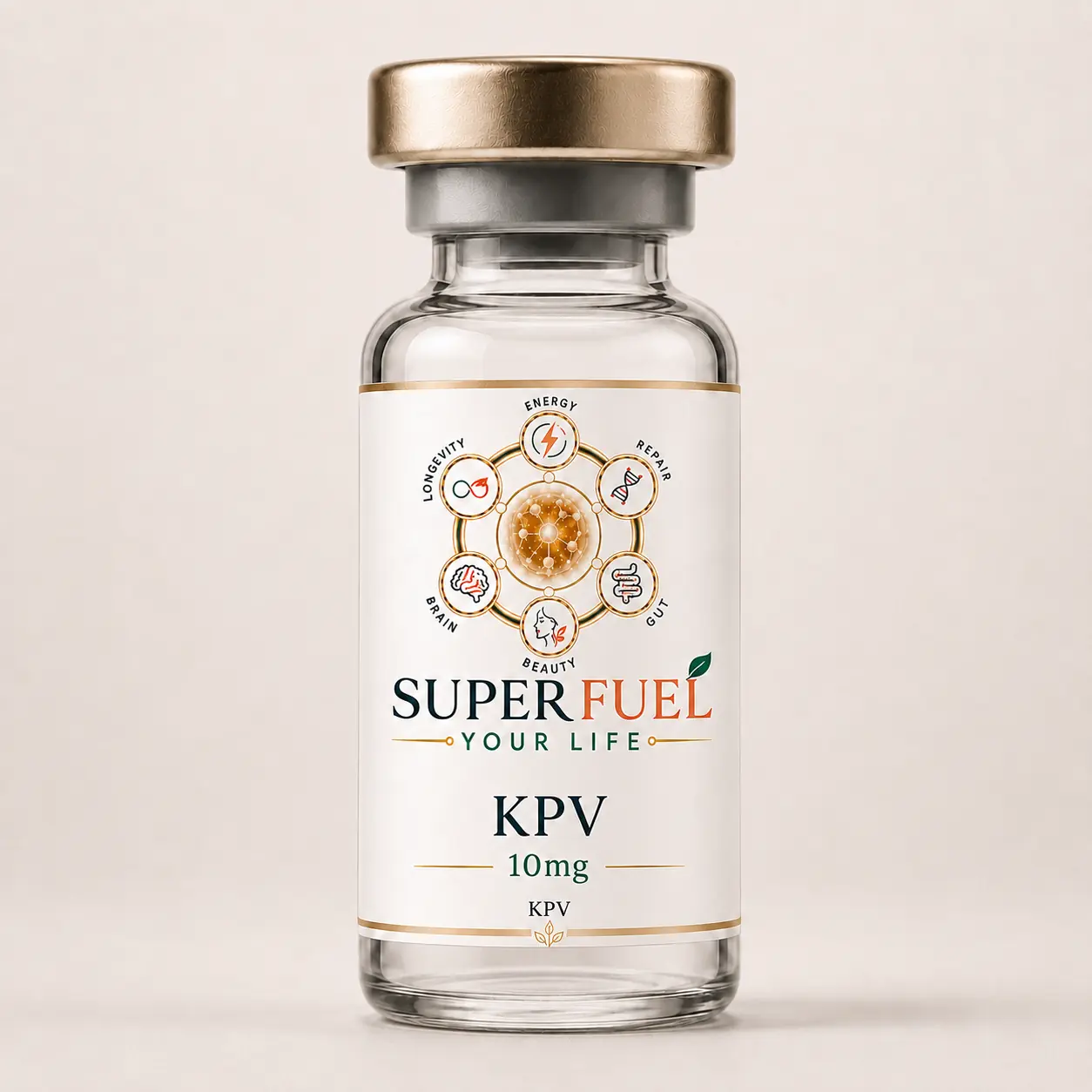
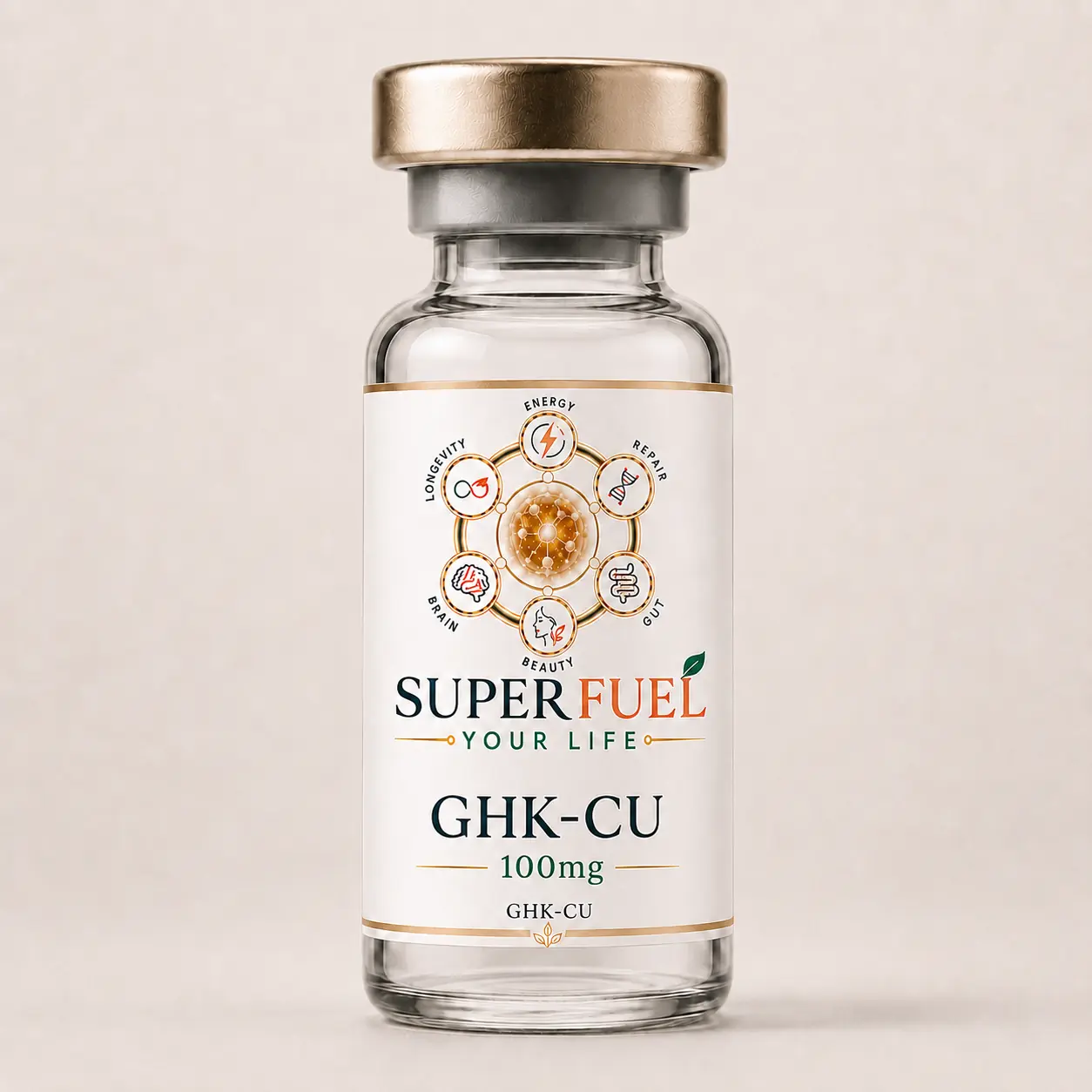
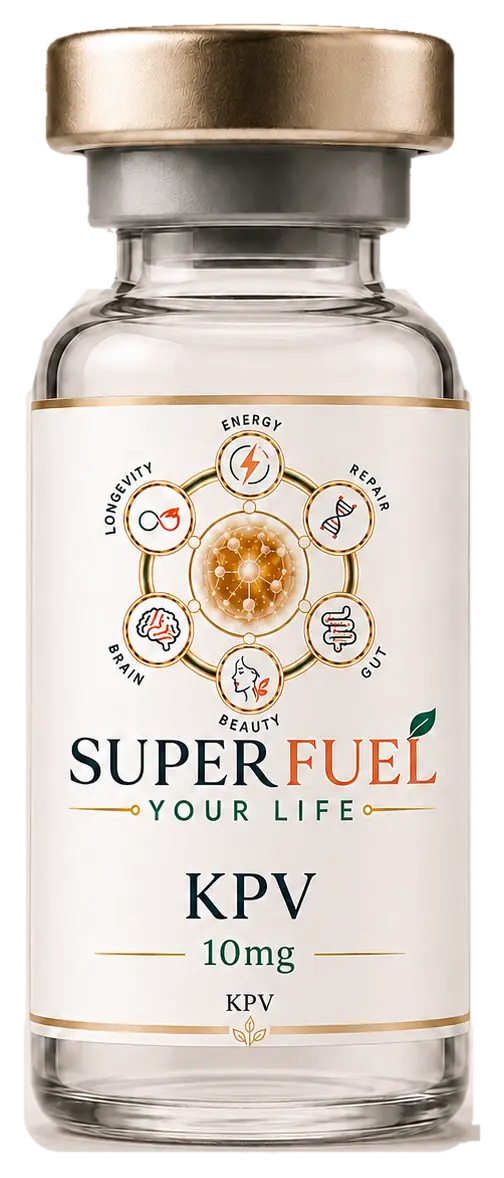
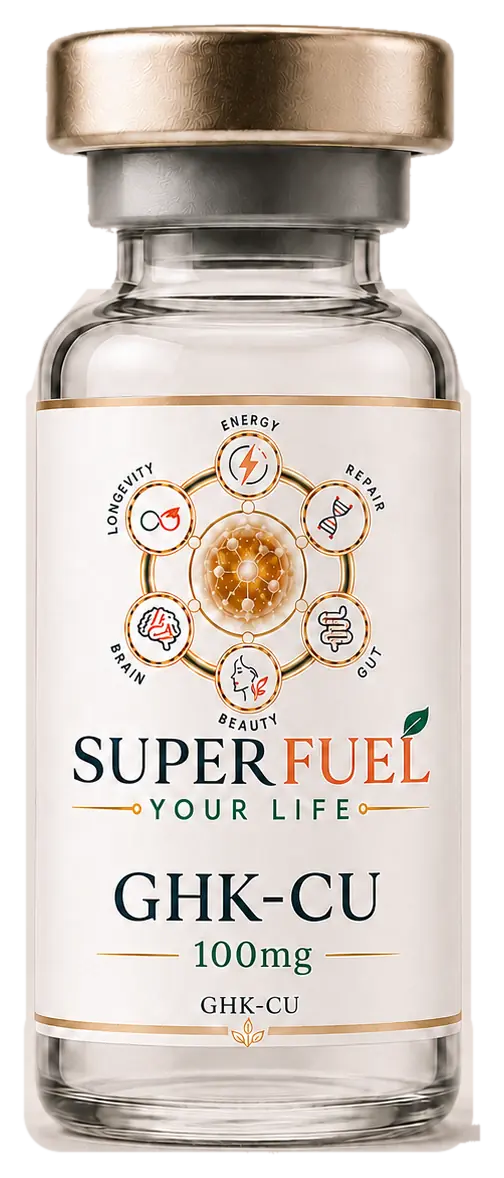
KPV 10 mg + BPC 157 10 mg + GHK-CU 100 mg
KPV, BPC 157, and GHK CU sit in different but overlapping research areas involving the gut, inflammatory signaling, tissue repair, and recovery biology. They are grouped together because the gut, tissue stress, inflammatory signals, and repair are not always separate research conversations. Researchers are interested in how these systems communicate with each other.
EXPLORE TOGETHER
Explore a fuller approach to recovery and repair.
BPC 157 10 mg + TB 500 10 mg + GHK-CU 100 mg
Recovery isn’t one process. Different tissues use different signals. Cell movement, blood supply, structural tissue, and inflammatory signaling all matter in repair biology. BPC 157, TB 500, and GHK CU are grouped because their research areas touch several parts of that larger recovery conversation.
EXPLORE TOGETHER
Explore recovery, repair, and renewal together.
BPC 157 10 mg + TB 500 10 mg + KPV 10 mg + GHK-CU 100 mg
The body doesn’t recover through one pathway. Inflammatory signals, cell communication, tissue structure, blood supply, and different responses to stress all matter. BPC 157, TB 500, KPV, and GHK CU are grouped because their research areas touch several parts of that broader repair and renewal conversation.
READY TO CONNECT?
Show Robin that this peptide caught your attention, then connect privately to ask questions and talk through possible next steps.
KEEP LEARNING
Use the Peptide Guide for a clear visual reference, or visit Learn for simple lessons.